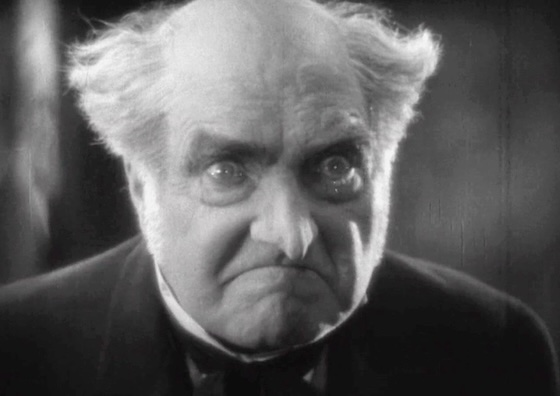
There's something wonderfully ironic about The Last Warning. For years, it's been the forgotten one. Mention Paul Leni and horror fans immediately jump to The Cat and the Canary. Mention Universal's silent era and everyone rushes toward Chaney, Quasimodo, the Phantom, or even Conrad Veidt's haunting grin in The Man Who Laughs. The Last Warning usually gets left standing in the wings, waiting for someone to remember it exists.
That's a mistake.
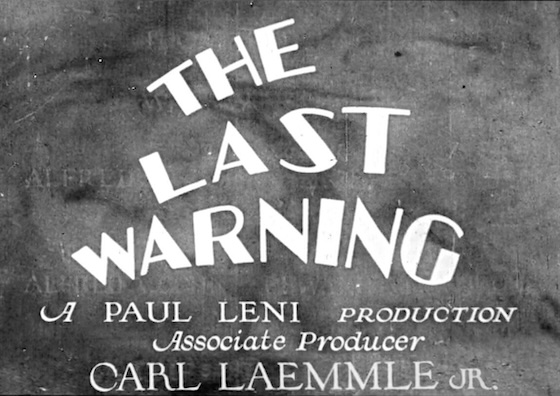
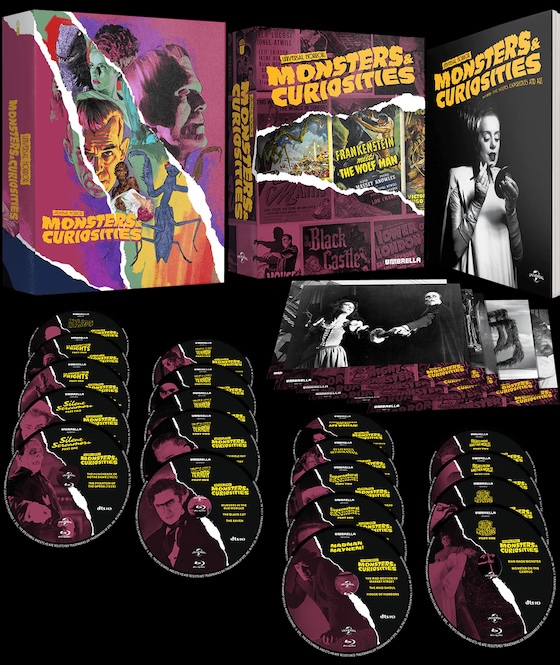
Watching The Last Warning in 2026 as the fifth film in Umbrella Entertainment's exceptional Universal Horror: Monsters and Curiosities (1923–1960) collection feels like rediscovering a missing chapter in Universal's evolution. It isn't a monster movie. It isn't even really a horror film. It's a backstage mystery wrapped inside a haunted theater, filtered through Paul Leni's unmistakable visual imagination. If The Cat and the Canary perfected the "old dark house" formula, The Last Warning proves Leni wasn't interested in repeating himself. He simply changed the stage.
Literally.
The story begins with a murder during a Broadway performance. An actor dies onstage in front of a stunned audience, the production collapses, and the theater is abandoned. Five years later, producers decide to reopen the building in hopes of proving the death wasn't supernatural. Naturally, they invite everyone connected to the original tragedy back for another performance.
Because that's always a great idea. Almost immediately, mysterious warnings begin appearing. Strange figures lurk in the shadows. Costumes seem to move on their own. Ropes swing. Lights flicker. Hidden passages reveal themselves. Suddenly everyone begins wondering whether the theater is actually haunted—or whether someone is using its ghostly reputation to cover up another crime.
It's pure backstage chaos. And Paul Leni absolutely revels in it.
What separates The Last Warning from countless mysteries that followed is its visual confidence. Leni transforms every catwalk, dressing room, curtain, and empty auditorium into something unsettling. The theater itself becomes a living organism, swallowing characters inside its endless maze of ropes, trapdoors, balconies, and backstage corridors. Long before Hitchcock turned architecture into suspense, Leni was making audiences afraid of empty performance spaces.
It's remarkable how modern much of it feels.
The camera glides effortlessly through the theater, floating above actors and weaving between scenery with movements that feel years ahead of their time. Silent cinema is often unfairly accused of feeling static. The Last Warning is anything but. It practically dances through its own mystery.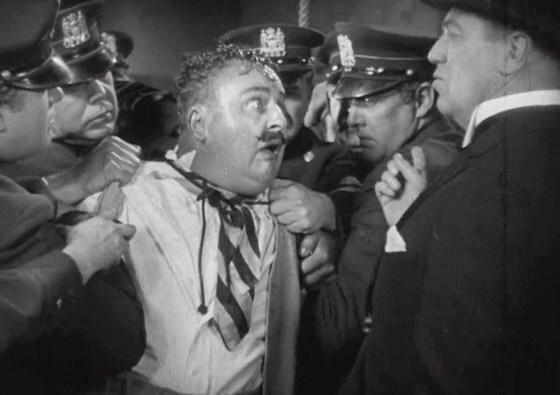
Laura La Plante returns after The Cat and the Canary, once again proving herself to be one of Universal's most underrated silent stars. She brings warmth and intelligence to Doris Terry without ever becoming the helpless damsel these films often relied upon. Montagu Love, John Boles, and the supporting cast all understand they're participating in a mystery first and foremost, allowing the escalating paranoia to do much of the heavy lifting.
The real star, however, remains Leni. Watching this film after The Cat and the Canary only reinforces how much horror lost when he died just months after its release at only forty-four years old. You can't help but wonder what Universal's 1930s horror cycle might have looked like had Leni lived long enough to direct Dracula, Frankenstein, or The Mummy. The visual DNA is already here. Expressionistic lighting. Impossible camera angles. Humor colliding with suspense. Shadows becoming characters all their own.
The man was laying the tracks while everyone else was still figuring out where the train was headed.
Viewed within Umbrella's collection, The Last Warning serves as a fascinating bridge between Universal's silent experimentation and the sound-era horror explosion waiting just around the corner. The monsters have mostly disappeared now, replaced by atmosphere, psychology, and elaborate mystery plotting. But the gothic sensibility remains intact. Universal was slowly learning that audiences didn't necessarily need creatures to be frightened.
Sometimes all you need is an empty stage...
...and the feeling that someone else is standing in the wings.


Universal Horror: Monsters And Curiosities Blu-ray - Umbrella Entertainment Exclusive / Collector's Edition
Home Video Distributor: Umbrella Entertainment
Available on Blu-ray - July 1, 2026
Screen Formats: 1.33:1; Various
Subtitles: English SDH
Video: 1080p
Audio: DTS-HD Master Audio 2.0
Discs: Blu-ray Disc; nineteen-disc set
Region Encoding: Locked to Region A
The Last Warning may never receive the same attention as The Cat and the Canary, but it absolutely deserves to. Paul Leni's final completed film is a stylish, inventive, and visually dazzling mystery that showcases a filmmaker operating at the height of his creative powers. As the fifth film in Umbrella Entertainment's Universal Horror: Monsters and Curiosities collection, it's another reminder that Universal's silent era wasn't simply experimenting with horror—it was inventing the cinematic language that would define the genre for decades to come. Forgotten? Maybe. Minor? Not a chance.
Video
Umbrella Entertainment gives The Last Warning another impressive high-definition presentation, preserving the film's intricate grayscale photography and richly atmospheric lighting. Fine detail throughout the theater interiors is excellent, allowing the elaborate backstage environments and expressionistic set design to shine.
Shadow detail remains strong without sacrificing contrast, and the natural film grain gives the presentation an authentic cinematic texture. It's another beautiful restoration that demonstrates just how visually sophisticated Universal's silent productions had become.
Audio
The lossless orchestral accompaniment beautifully complements the film's constantly shifting tone, balancing mystery, humor, suspense, and gothic atmosphere with confidence. The score enhances Leni's fluid visual style without drawing attention away from it, creating an engaging silent-film experience that feels both elegant and surprisingly energetic. As with the previous films in the collection, Umbrella delivers a clean, dynamic presentation that respects the film's original spirit.
Supplements:
While short on extras, the commentary is just a plethora of film history talking about everything from Whale to the actors to Pre-Code history and much more. It more than compliments the film well.
Commentary:
- None
Special Features:
Like the other silent classics in Universal Horror: Monsters and Curiosities (1923–1960), The Last Warning benefits most from its placement within Umbrella Entertainment's thoughtfully curated collection. Seen alongside The Cat and the Canary, it becomes clear just how rapidly Paul Leni was refining Universal's visual identity before his untimely death.
The collection's outstanding hardcover book, premium packaging, and carefully assembled lineup of forty-five films elevate this often-overlooked gem from historical curiosity to essential viewing, giving one of Universal's forgotten masterpieces the spotlight it has quietly deserved for nearly a century.

| Movie |  |
|
| Video |  |
|
| Audio | |
|
| Extras |  |
|
|
Composite Blu-ray Grade
|
||











![Trick or Treat (1986) – 4K Ultra HD [Standard Edition]](/images/resized/images/stories/2026/trick-or-treat-4k_40_40.jpg "Trick or Treat (1986) – 4K Ultra HD [Standard Edition]")