There are sequels . . . and then there's Bride of Frankenstein. You know the type. The ones everyone tells you are better than the original. Usually they're wrong. Jaws 2? Stop it. Caddyshack II? Get the hell out of here.
But every once in a while, a sequel comes along that doesn't simply continue the story—it takes everything that worked before, injects it with lightning, madness, black comedy, religious allegory, existential dread, and one screaming Bride with about three minutes of screen time who somehow becomes one of the most recognizable images in horror history.
That's Bride of Frankenstein.
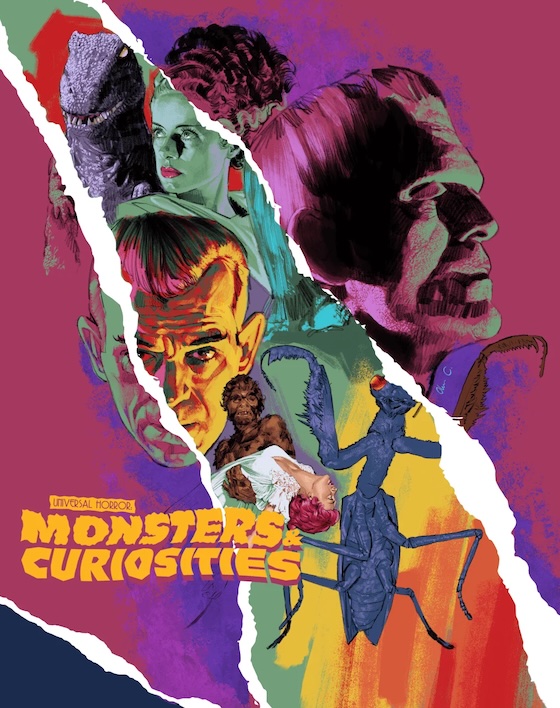
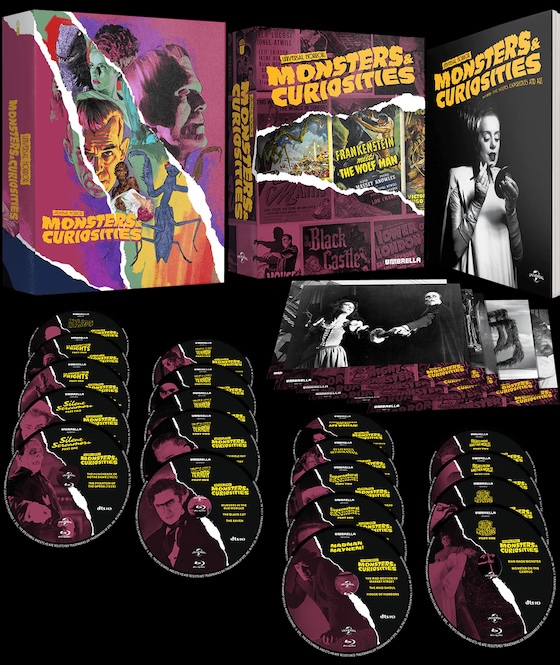
Watching James Whale's masterpiece in 2026 as the beginning of the Frankenstein Frights section in Umbrella Entertainment's extraordinary Universal Horror: Monsters and Curiosities (1923–1960) collection is like watching Universal suddenly realize they weren't just making monster movies anymore.
They were making art.
Forget everything you've been told about old horror films being slow, stiff, or overly theatrical. Bride of Frankenstein practically crackles with energy. Whale directs the film like someone who knows exactly how ridiculous the premise is—and absolutely refuses to apologize for it. Every frame balances horror and humor so effortlessly that it still feels modern nearly ninety years later.
That's an impossible trick. Almost nobody pulls it off.
The film opens with one of the greatest framing devices in horror history as Mary Shelley, Percy Shelley, and Lord Byron decide that maybe Frankenstein's story isn't over after all. It's a clever wink before Whale immediately plunges us back into chaos. Henry Frankenstein survives the burning windmill. The Monster survives. Villagers, naturally, grab torches because apparently that solution has worked exactly zero times but they keep trying anyway.
Some traditions never die.
Boris Karloff somehow improves on what was already one of the greatest horror performances ever captured on film. His Monster isn't simply stronger this time around—he's smarter. He speaks. He questions. He learns. More importantly, he suffers. Karloff transforms what could have become another lumbering horror icon into one of cinema's most heartbreaking tragic figures. Every rejection chips away at whatever hope remains inside him until violence becomes the only language the world seems willing to understand.
Sound familiar? Good horror never changes. Then there's Ernest Thesiger.
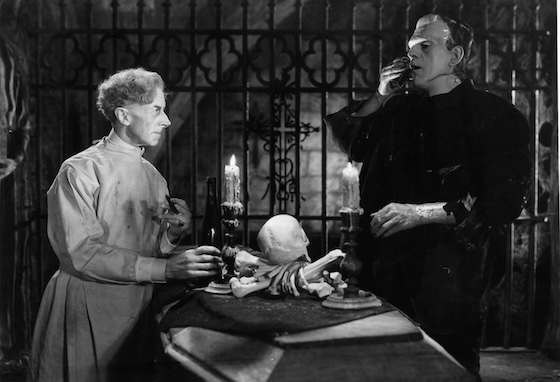
As Dr. Septimus Pretorius, Thesiger walks into the movie and quietly steals the whole damn thing. Every line drips with sarcasm. Every movement feels theatrical without ever tipping into parody. He's funny, unsettling, flamboyant, manipulative, brilliant, and completely fascinated by the idea that science should answer to absolutely no one. Without Pretorius, Bride of Frankenstein loses its wicked sense of humor. With him, it becomes one of Universal's richest and most entertaining films.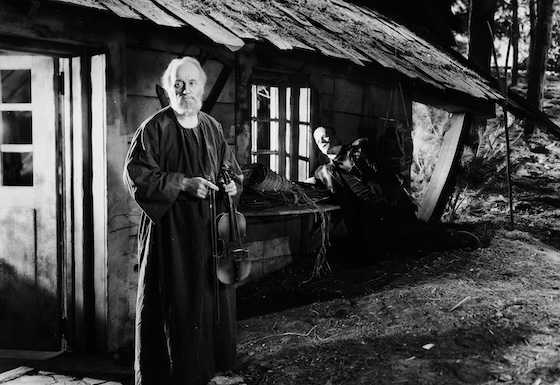
And let's talk about James Whale for a second. The man was operating on an entirely different frequency.
The gothic production design remains breathtaking, but Whale refuses to let the visuals become static. Strange camera angles, exaggerated shadows, religious symbolism, German Expressionism, camp humor, and genuine emotional devastation all coexist inside the same film without ever feeling at odds with one another. Somehow Bride of Frankenstein is creepy, hilarious, melancholy, romantic, and deeply philosophical . . . sometimes within the same scene.
The sequence with the blind hermit remains one of the greatest moments Universal ever put on film.
For the first—and perhaps only—time, the Monster experiences kindness without fear. They share bread. They share wine. They smoke cigars. They laugh together. It's funny until it isn't. Beautiful until humanity inevitably ruins everything. The scene doesn't simply humanize the Monster.
It condemns the rest of us.
And then...
The Bride. Here's the crazy part. Elsa Lanchester appears on screen for only a handful of minutes. That's it.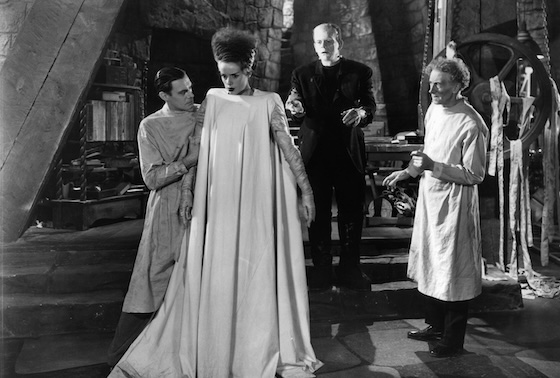
Yet that towering streak of white hair, those stitched bandages, those frightened hisses, and those impossibly expressive eyes became one of horror's defining images. Most movies spend two hours trying to create an icon.
Bride of Frankenstein needed about three minutes.
Viewed today, the film feels even richer than it probably did in 1935. Questions of identity, loneliness, prejudice, scientific responsibility, chosen family, and society's fear of difference all echo beneath the surface. The Monster doesn't want revenge. He wants companionship. It's everyone else that keeps insisting he's a monster.
Watching Bride of Frankenstein reopen Universal's Frankenstein saga inside Umbrella's collection also highlights why these films have survived for generations while countless imitators have faded away. They were never really about corpses stitched together in laboratories.
They were about the unbearable cost of being alone.


Universal Horror: Monsters And Curiosities Blu-ray - Umbrella Entertainment Exclusive / Collector's Edition
Home Video Distributor: Umbrella Entertainment
Available on Blu-ray - July 1, 2026
Screen Formats: 1.33:1; Various
Subtitles: English SDH
Video: 1080p
Audio: DTS-HD Master Audio 2.0
Discs: Blu-ray Disc; nineteen-disc set
Region Encoding: Locked to Region A
If Frankenstein built Universal's greatest monster, Bride of Frankenstein gave him his soul. James Whale's astonishing direction, Boris Karloff's unforgettable performance, Ernest Thesiger's scene-stealing brilliance, and one of horror's most iconic finales combine to create not only one of the greatest Universal horror films ever made, but one of the greatest sequels in cinema history. Nearly ninety years later, it remains funny, frightening, heartbreaking, visually stunning, and emotionally devastating in equal measure.
The Bride may have only been alive for a few minutes.
The movie has been immortal ever since.
Video
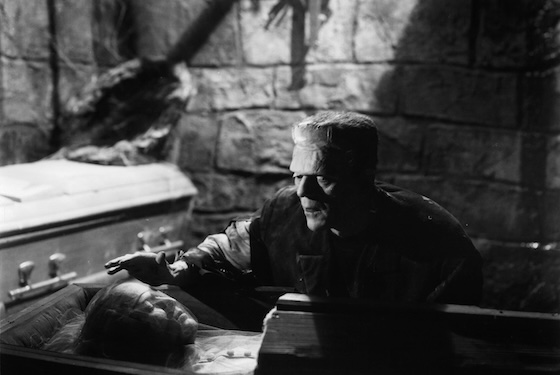
Umbrella Entertainment presents Bride of Frankenstein with a superb high-definition presentation that beautifully preserves one of Universal's visual masterpieces. Fine detail is exceptional throughout the elaborate laboratory sets, gothic villages, and cemetery interiors, while contrast delivers wonderfully inky blacks without sacrificing shadow detail.
Film grain remains natural, textures are beautifully resolved, and the transfer captures the elegant cinematography with remarkable stability.
This is a gorgeous presentation that reminds you why Bride of Frankenstein remains one of the best-looking films of Universal's classic horror cycle.
Audio
The lossless mono presentation is crisp, balanced, and surprisingly robust for a film approaching its ninetieth birthday. Franz Waxman's legendary score sounds rich and dynamic, dialogue remains consistently clear, and the crackle of electrical equipment during the laboratory sequences carries impressive presence. The presentation faithfully preserves the original sound design while allowing one of horror's greatest musical scores to shine.
Supplements:
Commentary:
- None
Special Features:
As the film leading off the Frankenstein Frights section of Umbrella Entertainment's Universal Horror: Monsters and Curiosities (1923–1960) collection, Bride of Frankenstein occupies exactly the position it deserves.
Seen within the broader context of Universal's evolving horror legacy, James Whale's masterpiece feels less like a sequel and more like a turning point—where monster movies became sophisticated explorations of identity, loneliness, and humanity.
Combined with the collection's outstanding hardcover book, premium collector's packaging, and thoughtfully curated lineup of forty-five films, this release reminds us that Universal wasn't simply creating horror classics.

| Movie |  |
|
| Video |  |
|
| Audio | |
|
| Extras |  |
|
|
Composite Blu-ray Grade
|
||








![Trick or Treat (1986) – 4K Ultra HD [Standard Edition]](/images/resized/images/stories/2026/trick-or-treat-4k_40_40.jpg "Trick or Treat (1986) – 4K Ultra HD [Standard Edition]")