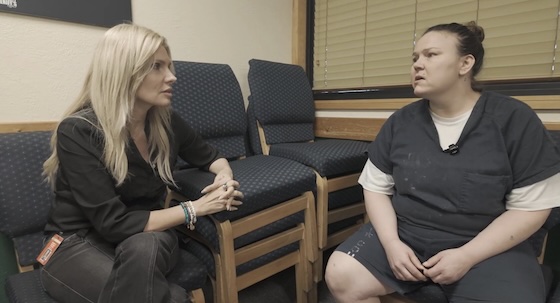
Woman Incarcerated: Strands of Hope enters a Florida jail with every opportunity to become another well-meaning documentary about rehabilitation, redemption, and second chances. Those phrases have been polished smooth by politicians and nonprofit brochures, but director Karina Michel finds the bruised humanity underneath them. Her film follows incarcerated women participating in a braiding and entrepreneurship program led by entrepreneur and mentor Alisha Hinton, yet the skill itself is only the beginning.
What these women are really learning is how to see themselves as something more than the worst decision they ever made. And that is everything.
Michel approaches the women without gawking at them or turning their pain into easily packaged inspiration. The conversations are candid, emotional, and sometimes uncomfortable because incarceration has stripped away more than freedom; it has damaged confidence, identity, and the ability to imagine a future that does not end behind another locked door.
A braid cannot erase a criminal record, repair a family, or guarantee employment, but the concentration required to create one becomes an act of reclamation. These women are making something beautiful with their own hands, and for some of them, that small achievement is the first strand connecting who they are to who they might still become.
Hinton is the documentary’s grounding force, offering practical instruction while refusing to treat her students like charity cases. She understands that encouragement means little without opportunity, so the program combines braiding with entrepreneurship and the possibility of genuine financial independence.
Michel wisely follows former participants after their release, allowing the film to move beyond promises and examine what happens when the jail doors finally open. Reentry remains frightening and unforgiving, but mentorship gives these women something the system rarely provides: another human being who expects them to succeed.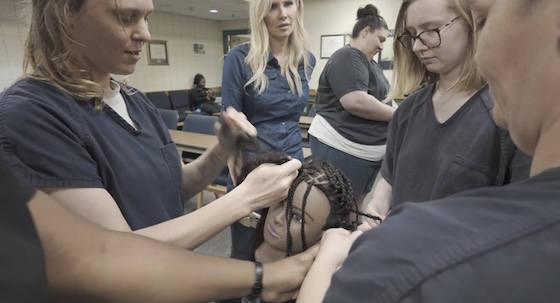
There are moments when Strands of Hope brushes against familiar inspirational-documentary territory, but its sincerity keeps it from becoming sentimental propaganda. Michel, an Emmy Award-winning journalist and filmmaker, knows when to step back and let a face, a trembling voice, or a moment of hard-earned pride carry the scene. Her greatest accomplishment is refusing to reduce these women to either their crimes or their recoveries. They are complicated, wounded, funny, frightened, and hopeful—human beings rather than cautionary tales conveniently dressed in matching uniforms.
Woman Incarcerated: Strands of Hope is ultimately less interested in incarceration than in the radical power of being taken seriously. It does not pretend that braiding hair will dismantle the prison system or eliminate the brutal obstacles waiting outside, but it demonstrates what can happen when skill, mentorship, and belief arrive in the same room.
More importantly, Michel’s documentary asks audiences to look past the labels society applies so eagerly and recognize futures still being built beneath them. Hope, the film reminds us, does not always roar through an open door; sometimes it begins quietly, one careful strand at a time.


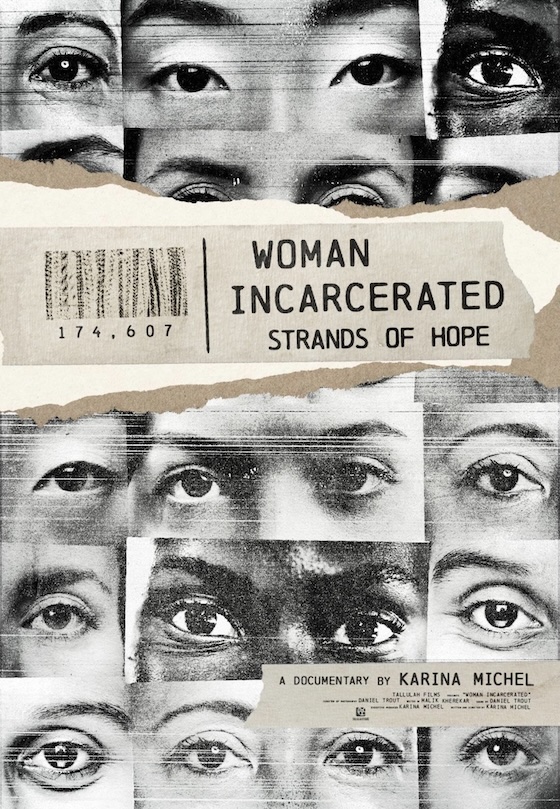
MPAA Rating: Unrated.
Runtime:
Director: Karina Michel
Writer: Karina Michel
Cast: Karina Michel; Richard Keller; Kiondra Gibson
Genre: Documentary
Tagline: A Documentary by Karina Michel
Memorable Movie Quote:
Distributor:
Official Site:
Release Date:
DVD/Blu-ray Release Date:
Synopsis: Woman Incarcerated: Strands of Hope follows entrepreneur and mentor Alisha Hinton, whose innovative braiding and entrepreneurship program is helping incarcerated women develop practical skills while preparing for life after release. Through the art of braiding hair, the women learn discipline, patience, creativity, and the fundamentals of building a business - tools that can help them create new opportunities for themselves and their families.













![Trick or Treat (1986) – 4K Ultra HD [Standard Edition]](/images/resized/images/stories/2026/trick-or-treat-4k_40_40.jpg "Trick or Treat (1986) – 4K Ultra HD [Standard Edition]")