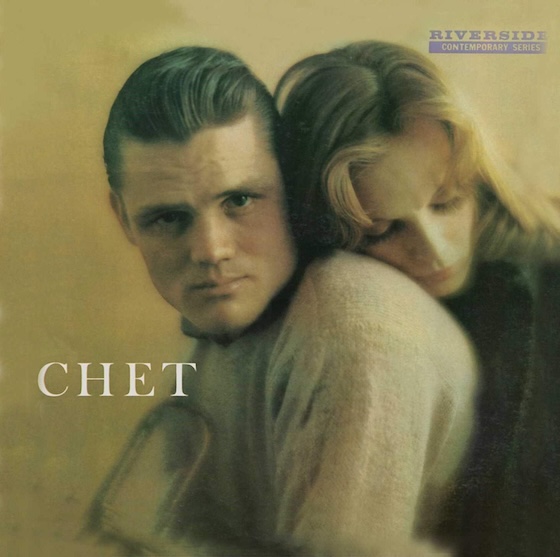
Last night, long after I should have gone to bed, I found myself sitting alone with a half-finished bottle of Cabernet and Chet Baker's Chet spinning quietly through the room. There are albums you listen to, and there are albums that somehow listen back. This one has always belonged to the second category for me. Maybe it's age. Maybe it's accumulated loss. Maybe it's the way certain records seem to find you when you're finally old enough to understand them. The older I get, the less interested I am in musicians proving how much they can do. What moves me now are the moments when someone has learned what to leave unsaid. From the opening notes of "Alone Together," with Bill Evans laying down those drifting harmonies beneath Baker's trumpet, I felt that familiar sensation of time slowing down. The room got quieter. The wine tasted better. Everything unnecessary seemed to drift away.
When I was younger, I thought jazz was about brilliance. I listened for speed, complexity, and technical command. Somewhere along the way—through funerals, failed relationships, and the slow disappearance of people I once assumed would always be around—I started hearing different things. On Chet, nobody is trying to overwhelm you. Paul Chambers anchors everything with a kind of calm certainty, while Connie Kay's brushwork feels less like timekeeping and more like a distant heartbeat somewhere in the dark. Even Baker's trumpet feels less like a solo instrument than a voice speaking softly across a table after everyone else has gone home. Listening now, I'm reminded of conversations with people I loved just before we drifted apart forever. Not dramatic endings. Just ordinary moments that only later revealed themselves as final ones.
"It Never Entered My Mind" always lands differently than I expect. Halfway through the track, I found myself thinking about a woman I haven't spoken to in nearly twenty years. Not with regret exactly. More with gratitude mixed with sadness. The kind that arrives when enough time has passed to see a relationship clearly. Baker's playing carries that feeling. There's longing in it, but no pleading. Memory without self-pity. Acceptance without peace. Kenny Burrell's guitar appears like a shadow at the edge of the frame, never demanding attention, just adding warmth and depth to an already fragile landscape. Together they create something that feels less like a performance and more like a recollection.
What strikes me most now is how haunted this record feels without ever trying to be. Pepper Adams' baritone sax brings a darkness that hangs beneath the music like gathering weather. Herbie Mann's flute occasionally drifts through the arrangements like a voice from another room. Nobody sounds young, even though many of them were. They sound aware. Listening today, it's impossible not to know how these stories end. Baker gone. Evans gone. Chambers gone. Burrell is one of the few still with us. Most of the men who created these sounds now exist only in recordings, photographs, and the memories of people who heard them live. Yet on nights like this, they return completely alive. For forty minutes, the dead sit down beside you and speak again.
By the second glass of wine, the album had settled into that place where individual tracks matter less than the atmosphere they create together. Connie Kay gives way to Philly Joe Jones on the later session, and the pulse changes almost imperceptibly, like the difference between one season and the next. The music keeps moving, but there's a loneliness running underneath it that becomes harder to ignore. "If You Could See Me Now," "September Song," "You'd Be So Nice to Come Home To"—these aren't songs that break your heart. They're songs that remind you your heart was broken long ago and healed imperfectly. They remind you of empty chairs, disconnected phone numbers, and houses that belong to strangers now. Great records tell you something about the musicians. The rare ones quietly tell you something about your own life.
When the album ended, I let the silence remain for a while before getting up. Outside, the neighborhood was asleep. The bottle was nearly empty. For a few minutes, I sat there thinking about all the people who had passed through my life and disappeared into memory. Parents, friends, old lovers, and versions of myself that no longer exist. That's what Chet leaves me with. Not despair. Something sadder and more beautiful than that. The recognition that everything vanishes eventually and that this is precisely what gives these moments their value. A trumpet phrase suspended in the air. A brush against a snare drum. A baritone saxophone rumbling softly in the distance. The last sip of wine at one in the morning. Then silence. Then another day gone.