There are nights when sleep can wait.
The best ones usually find me outside, the world finally having the decency to shut the hell up. The sky stretches overhead, impossibly black, stars punching tiny holes through the darkness while a warm breeze drifts past like it has nowhere else to be. This is when jazz makes the most sense to me. Not in crowded clubs. Not while multitasking. Out here, where the music has room to breathe and my thoughts can wander wherever they damn well please.
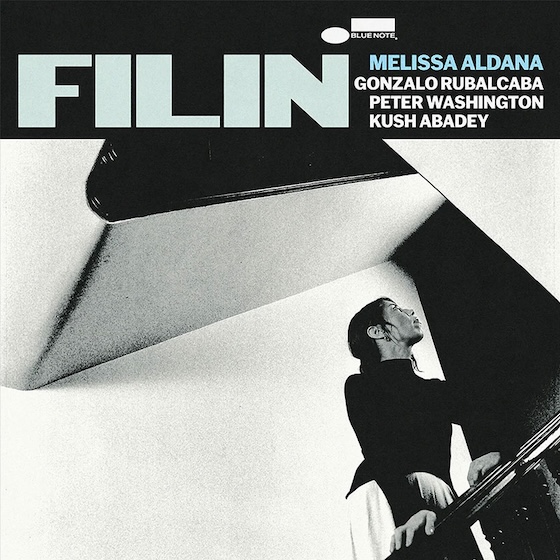
Melissa Aldana's Filin became the soundtrack to one of those nights.
By the time the opening notes of "La Sentencia" drifted into the darkness, it felt less like I had pressed play and more like I'd opened a door. Every phrase from Aldana's tenor saxophone floated upward into the night air, mingling with the silence between the stars. For forty-some minutes, the world slowed to a heartbeat, and I remembered why records like this matter. They don't demand your attention. They gently pull you away from everything else until the only thing left is the music...and whatever you're feeling brave enough to confront beneath an endless sky.
For her third Blue Note release, Aldana takes a deliberate turn away from the muscular post-bop intensity that has defined much of her recent work and instead immerses herself in the Filin tradition of Cuba—a style born in the 1940s that blended the romanticism of bolero with the harmonic language of American jazz. The word itself comes from the English "feeling," and if there has ever been an album that earns its title, it's this one. Every performance here feels lived-in rather than rehearsed, intimate rather than polished.
The quartet Aldana assembled understands that emotional honesty always outlasts technical fireworks. Pianist Gonzalo Rubalcaba is magnificent throughout, weaving harmonies around Aldana's tenor without ever crowding her. Peter Washington's bass is a quiet, reassuring presence, while Kush Abadey's drumming is so understated it often feels like weather moving across the landscape rather than someone keeping time. Nobody is trying to win the session. They're simply serving the music.
"La Sentencia" unfolds with remarkable patience, allowing Aldana's warm, expressive tenor to tell its story without ever rushing toward a destination. "Dime Si Eres Tú" and "No Te Empeñes Más" continue that slow emotional burn, each melody carrying the weight of conversations that don't need words. The pacing of the record becomes hypnotic—not sleepy, but deeply meditative—as each performance naturally flows into the next.
Cécile McLorin Salvant's guest appearances are equally inspired. She doesn't arrive to steal the spotlight or transform the album into a vocal showcase. Instead, her voice slips into Aldana's world as though it has always belonged there, adding another emotional color to an already gorgeous palette. The collaboration feels effortless because nobody is trying to force it.
The album also reaches beyond Cuba with luminous interpretations of Cartola's "Las Rosas No Hablan" and Hermeto Pascoal's "Little Church," both of which feel perfectly at home alongside the traditional Filin repertoire. Rather than sounding like stylistic detours, they reinforce the album's central idea—that beautiful melodies and honest emotion don't recognize borders.
What continues to impress me most about Filin is its confidence. So much contemporary jazz seems obsessed with reminding listeners how technically astonishing everyone involved happens to be. Melissa Aldana has absolutely nothing left to prove, and maybe that's why this record feels so liberating. She trusts silence. She trusts melody. She trusts the listener enough not to fill every available space with notes.
That's a rare kind of confidence.
This isn't a record for checking email or cleaning the house. It deserves a pair of headphones, an open sky, and the willingness to sit with your own thoughts for a while. The best jazz doesn't simply entertain us. It changes the atmosphere around us. Filin does exactly that, wrapping the night in warmth, melancholy, and quiet beauty until you look up, notice the stars again, and realize the album has somehow altered the silence itself.
Some albums ask to be heard. Filin asks you to simply feel.